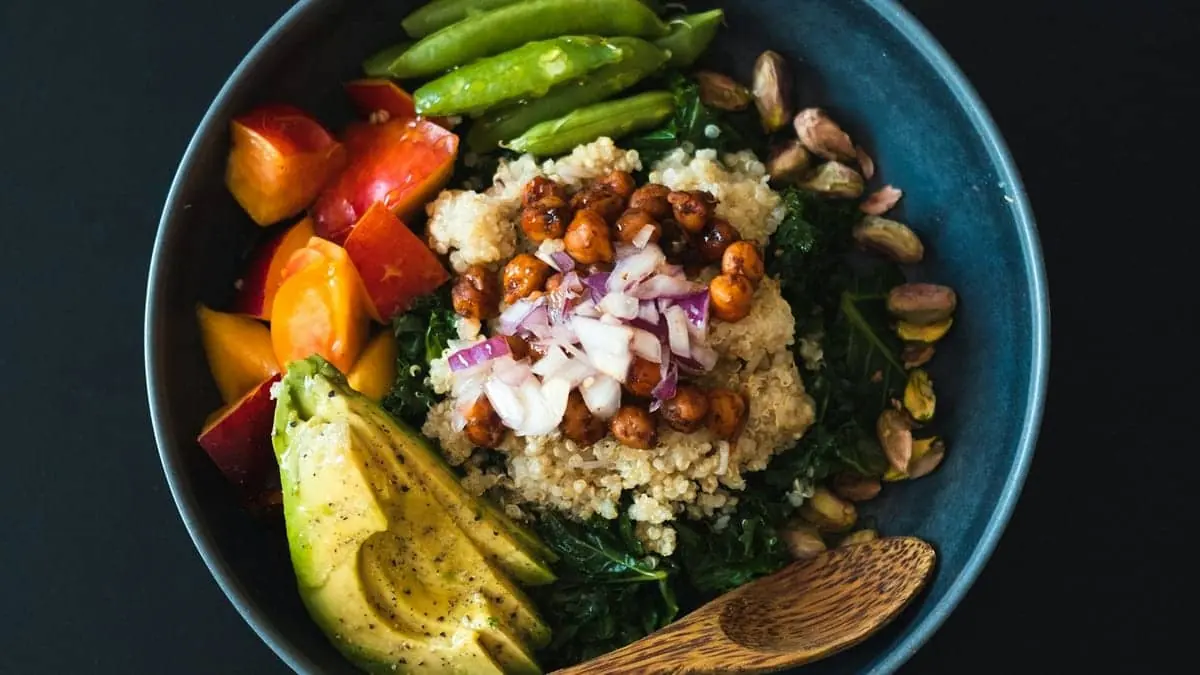
The Protein RDA Is 0.8 g/kg. Many Scientists Say That Is Not Enough
The official protein RDA is 0.8 grams per kilogram of body weight, but many researchers argue adults need more. What the evidence shows.

The ISSN position stand calls creatine monohydrate the most effective supplement for high-intensity training. What 3 to 5 grams a day actually buys.
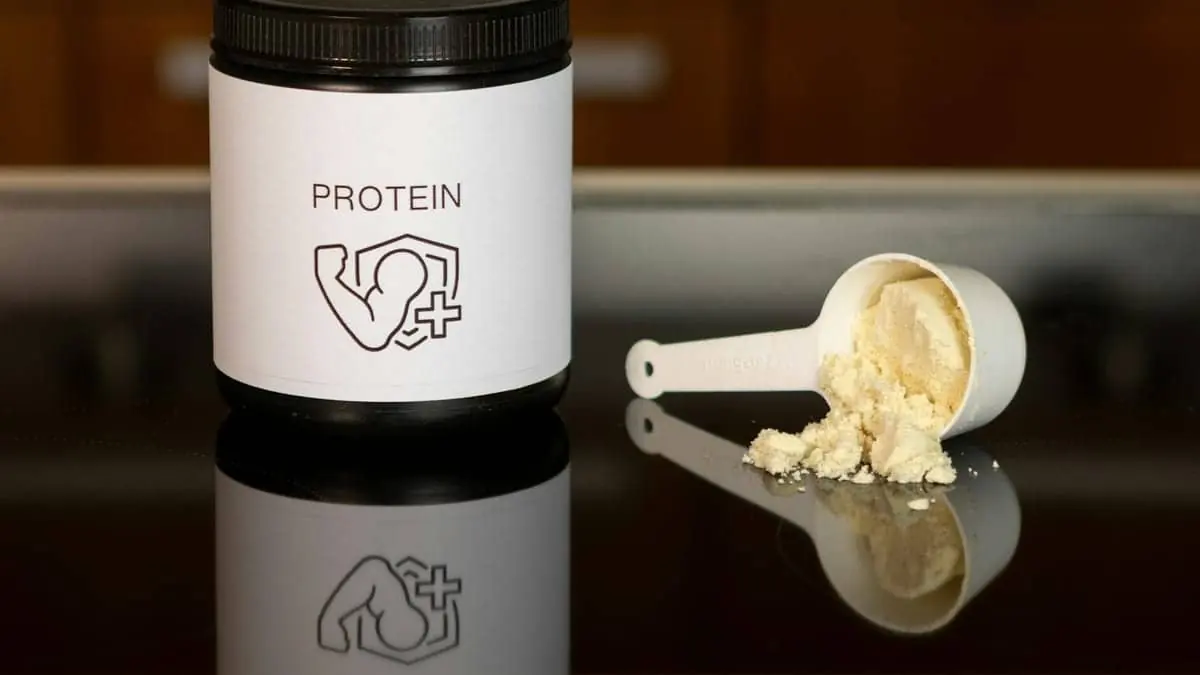
Creatine is easiest to evaluate after the training question is clear. Its strongest established sporting role concerns repeated high-intensity work and adaptations alongside training, not a substitute for exercise or a guaranteed improvement in every activity. The ISSN position stand and later review explain the evidence, routine dosing approaches and common misconceptions. This article separates those uses from emerging brain-health claims and from the laboratory issue of interpreting creatinine in someone taking a supplement.
Write down what the supplement is intended to change before buying it: repeated sets, sprint work or another clearly defined task. Keep training and other new supplements stable enough that subsequent changes are at least interpretable. Body weight alone cannot distinguish water, fat and muscle gain. Record the product and dose, and tell the clinician interpreting kidney-related blood tests about use. This is an editorial decision framework, not a self-diagnosis method. If the relevant training is absent, or the proposed benefit belongs to an early research area, the strength of the evidence for a different use should not be borrowed to justify the purchase.
Creatine is not exotic chemistry. The body makes roughly a gram a day in the liver and kidneys, and another gram comes from red meat and fish. About 95 percent of it is stored in skeletal muscle, where it is converted to phosphocreatine, the fuel that regenerates ATP during short, maximal efforts lasting seconds: a heavy set of squats, a sprint, a jump.
Supplementing raises muscle creatine stores by around 20 to 30 percent in most people. The effect is indirect but practical: with a larger phosphocreatine reserve, you can complete slightly more reps at a given load or sustain higher output in repeated sprints, and that extra training volume compounds into greater gains in strength and muscle over time.
The 2017 ISSN position stand reviewed decades of research and concluded that short-term and long-term supplementation, up to 30 grams per day studied for as long as five years, is safe and well tolerated in healthy individuals. Its summary of performance research found consistent improvements in strength, power output, sprint performance, and training volume, with the largest effects in high-intensity, repeated-effort activities.
The gains on top of normal training are real but modest. Meta-analytic estimates generally place the extra lean mass at roughly a kilogram over a typical training block, with strength improvements in the range of a few percent to double digits depending on the exercise and the population. A frequently cited meta-analysis by Devries and Phillips, pooling trials of creatine combined with resistance training in older adults, found about 1.1 kilograms more lean mass gained and meaningfully greater strength increases compared with training alone. Responders vary: people with naturally low muscle creatine stores, including many vegetarians and older adults, tend to gain the most, while high-stores athletes see smaller margins.
The ISSN's summary spans activities that tax the phosphocreatine system directly: repeated sprints, jumps, lifts in the one-to-ten rep range, and court or field sports with short bursts and brief recoveries. Long-distance endurance performance, which depends on aerobic metabolism, shows little direct benefit, though sprint finishes and interval training within an endurance program can still gain from the extra reserve.
Loading is a convenience, not a requirement. The classic comparison, by Eric Hultman's group in the Journal of Applied Physiology in 1996, showed that three grams a day for 28 days produced the same muscle creatine content as a week of aggressive loading followed by maintenance. Taking 3 to 5 grams daily reaches the same saturated state within roughly three to four weeks, and skipping the loading phase also avoids the occasional stomach upset reported when four large doses arrive at once. The transient weight gain of one to two kilograms that follows saturation is intramuscular water, not fat, and it is expected.
The most common worry is kidney damage, and it stems from a lab quirk. Creatine breaks down into creatinine, the marker blood tests use to estimate kidney function, so supplementing raises measured creatinine without any injury occurring. The ISSN review found no evidence of kidney, liver, or cardiovascular harm in healthy people at recommended doses, and long-term trials in athletes have replicated that finding.
The caveat matters, though. People with existing kidney disease should not start creatine without medical advice, because their diagnostic picture is different and the evidence base excludes them.
Researchers are studying creatine for brain health, cognition, concussion recovery, and mood, on the theory that the brain, which holds most of the remaining five percent of the body's creatine, consumes ATP as eagerly as muscle does. Early trials are intriguing, including some evidence of modest cognitive benefits during sleep deprivation, but sample sizes are small and results mixed. The ISSN itself characterizes much of this work as preliminary. Treat brain-health claims as promising research questions, not settled benefits.
Anyone considering creatine alongside a medical condition, regular medication, or pregnancy should talk it through with a physician or registered dietitian first. For healthy adults who train, though, the evidence picture is unusually clean: 3 to 5 grams a day of monohydrate is inexpensive, well studied, and does what it says for high-intensity performance, with everything beyond that still being written.
The official protein RDA is 0.8 grams per kilogram of body weight, but many researchers argue adults need more. What the evidence shows.
Distinguish diet rankings from PREDIMED's cardiovascular findings, its reanalysis and practical food substitutions.

Average fiber intake sits near 15 grams a day against targets of 25 to 38 grams. A 2019 Lancet meta-analysis shows what that gap costs.