Sleep Regularity May Matter More Than Sleep Duration
A UK Biobank study of 60,977 adults found sleep regularity predicted all-cause mortality more strongly than sleep duration. What the 2024 research shows.

A JAMA meta-analysis of 47 trials found eight weeks of mindfulness meditation moderately improved anxiety, depression and pain. What it means for you.
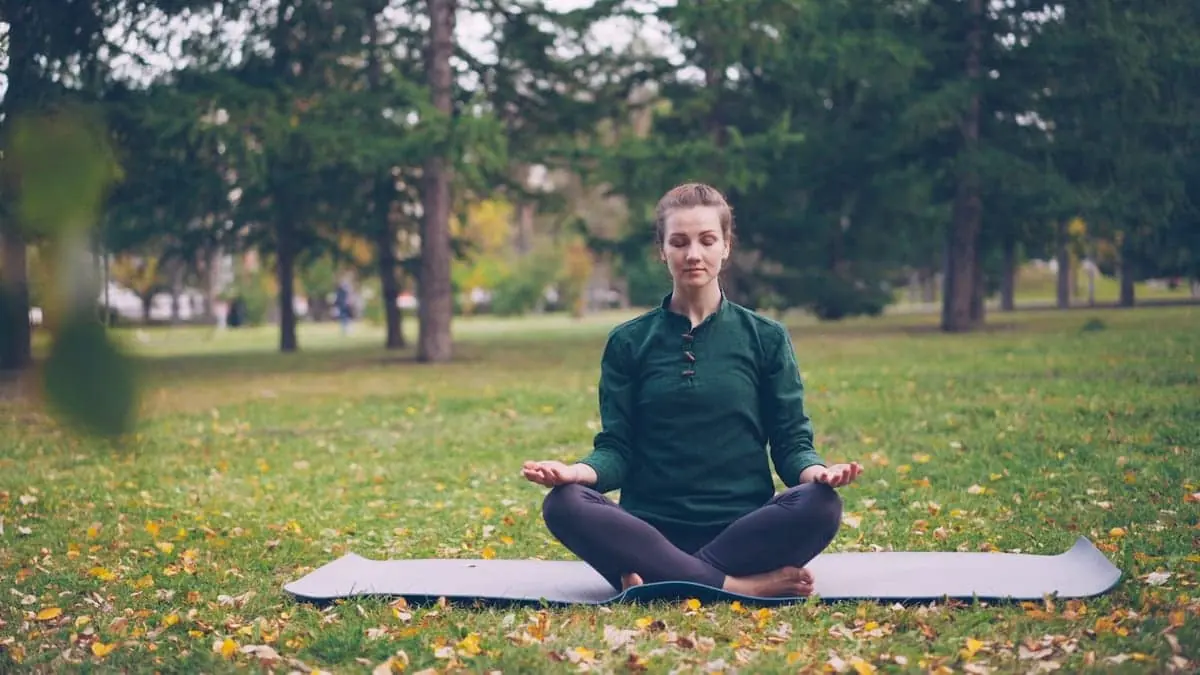
An eight-week course and an occasional meditation app session are not the same intervention. Goyal and colleagues' review studied structured programs against active controls and found small to moderate improvements in some negative dimensions of psychological stress. That result is useful precisely because its scope is limited. This article asks what the program involved, what comparison was made and what the measured effect means before treating the eight-week label as a guaranteed deadline for improvement.
Researchers led by Madhav Goyal screened more than 18,000 citations and identified 47 randomized clinical trials with 3,515 participants. Crucially, they only included trials with active control groups, meaning meditation was compared against things like exercise, education or other behavioral treatments rather than against a waiting list, which filters out much of the placebo effect.
The programs studied were mostly mindfulness meditation, which trains attention on the present moment, and mantra-based meditation. Most mindfulness courses ran for around eight weeks, a length popularized by the Mindfulness-Based Stress Reduction program developed by Jon Kabat-Zinn at the University of Massachusetts, which combines weekly group sessions, guided daily practice and a daylong retreat.
The meta-analysis found moderate evidence that mindfulness programs improved anxiety, with an effect size of 0.38 at eight weeks that faded to 0.22 at three to six months. Depression showed a similar pattern, with an effect size of 0.30 at eight weeks, and pain improved with an effect size of 0.33. For context, effect sizes of this magnitude are modest but real, comparable to what many accepted treatments achieve in similar populations.
The limits were equally clear. Evidence for improvements in stress, mood and quality of life was rated low. Outcomes like sleep, attention, eating habits and weight showed no effect or had insufficient evidence. And meditation programs were not found to be better than active treatments such as drugs, exercise or other behavioral therapies. The authors concluded that clinicians could discuss meditation as an option for psychological stress, not as a superior alternative to established care.
Because so much of the evidence comes from structured programs, it helps to know what one involves. A standard Mindfulness-Based Stress Reduction course runs eight weekly sessions of about two and a half hours, plus one daylong practice day around week six. Sessions combine body-scan exercises, seated meditation, gentle movement and group discussion about what participants noticed during practice.
Between sessions, participants are asked to practice at home, typically forty-five minutes a day of guided exercises, six days a week. That homework load is a meaningful commitment, and it is also the part most modern interpretations quietly drop. Shorter adaptations, often eight weeks of ten to twenty minutes daily, have been tested in later research with generally smaller but still positive effects. The lesson from the trial literature is that the program format, not meditation in the abstract, is what has been measured, and closer adherence to the original format is the safest way to replicate its results.
Almost everything we know comes from structured courses, not from occasional app sessions. Eight-week programs standardize the dose, typically combining thirty to forty minutes of daily guided practice with weekly instruction, which makes them measurable and reproducible. The training also builds specific skills, such as noticing wandering attention and returning to the breath, that plausibly require cumulative practice.
This matters when reading headlines. A trial result about a supervised eight-week program does not automatically transfer to five minutes of meditation between meetings. Research suggests dose and consistency are related to benefit, though the evidence for exact minimums is thin. The honest framing is that structured mindfulness programs have evidence behind them; improvised practice is less studied.
The 2014 meta-analysis graded much of its evidence as moderate at best, and the authors called for stronger study designs. Many trials were small, and blinding participants to meditation is impossible, which inflates expectations. Adverse effects are understudied; intensive retreats in particular have been associated in case reports with anxiety and destabilization in vulnerable people, even though standard eight-week courses are generally well tolerated.
It is also worth distinguishing populations. The trials mostly involved people with clinical anxiety, depression or pain, or with medical conditions and psychological stress. They do not show that meditation prevents disease, improves athletic performance or raises happiness in healthy people, claims that circulate widely without comparable evidence.
Before enrolling, ask about session format, instructor support, practice expectations and what happens if the exercises become uncomfortable. A marketing reference to an eight-week study does not establish that an unrelated app or retreat offers the same intervention. Decide what outcome matters, such as a particular symptom discussed with a professional, rather than expecting an undefined transformation. Practice time can be planned, but completion does not guarantee a response. For significant mental-health symptoms, the course belongs in a broader care discussion; it should not delay evaluation while someone waits for the calendar to reach week eight.
If the findings interest you, the closest evidence-based route is a formal Mindfulness-Based Stress Reduction course, in person or through a reputable online version, or a structured app program that mirrors the eight-week format with daily guided practice. Treat it like an exercise program: scheduled sessions, realistic daily doses and a full eight weeks before judging results, since measured benefits emerged over that timeframe.
Keep expectations calibrated. Research suggests meaningful but modest reductions in anxiety and depressive symptoms, not transformation. Meditation sits alongside, not instead of, other treatments; anyone with moderate to severe symptoms should coordinate it with professional care. And if low mood or anxiety is persistent or worsening, consult a qualified mental health professional first, because meditation is a supplement to treatment, not a substitute for it.
A UK Biobank study of 60,977 adults found sleep regularity predicted all-cause mortality more strongly than sleep duration. What the 2024 research shows.
A randomized trial gave 12 adults 400 mg of caffeine at 0, 3 and 6 hours before bed. Even 6 hours out, objective sleep fell by more than an hour.

Melatonin suppression from bright blue light is real in labs, but reviews find little evidence blue-light glasses or night mode fix sleep. A balanced look.