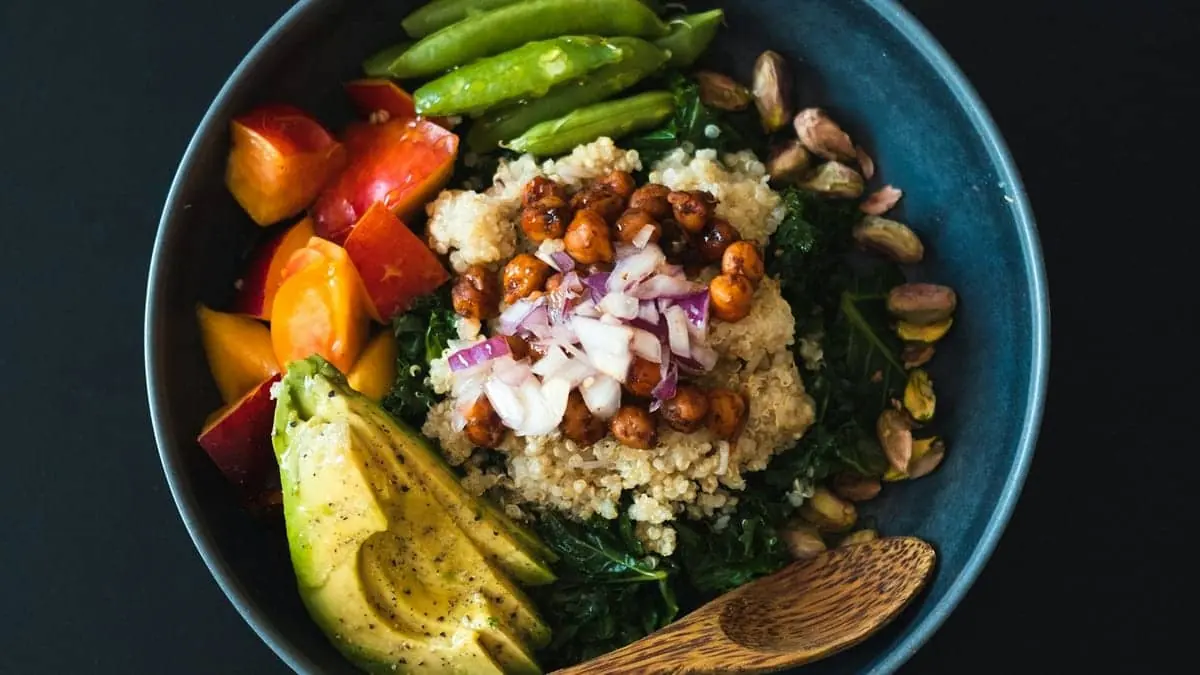
The Protein RDA Is 0.8 g/kg. Many Scientists Say That Is Not Enough
The official protein RDA is 0.8 grams per kilogram of body weight, but many researchers argue adults need more. What the evidence shows.
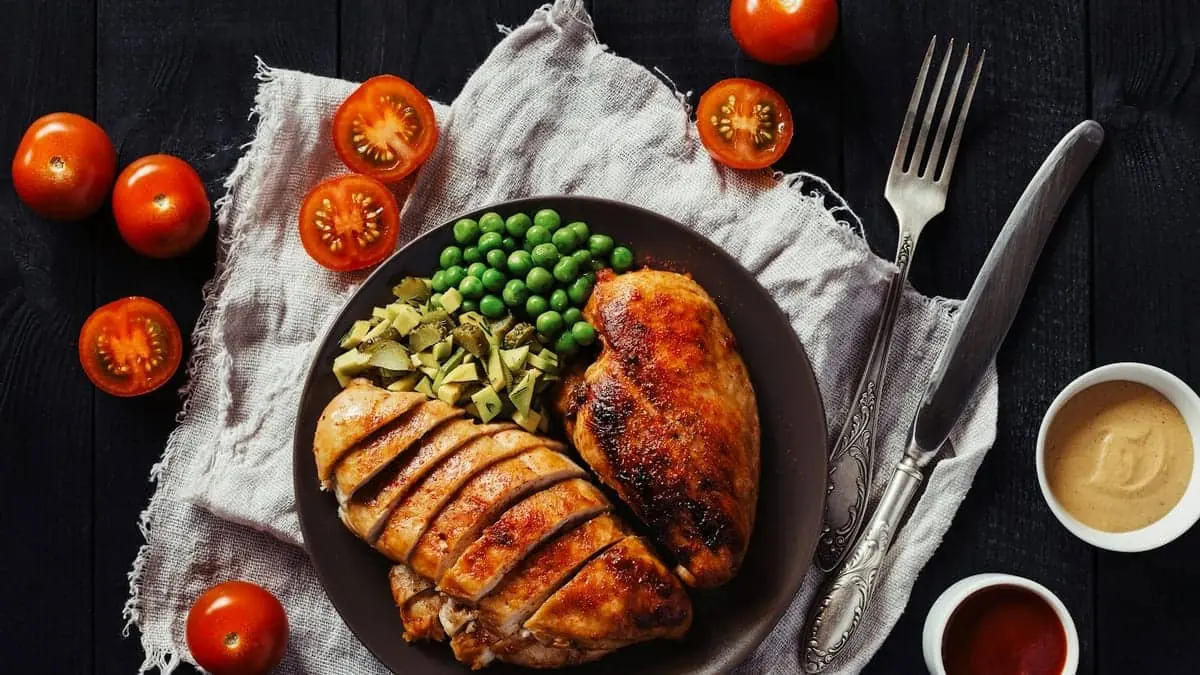
NASEM sets total water adequate intakes of 3.7 liters a day for men and 2.7 for women, counting food. The 8x8 rule has no research behind it.
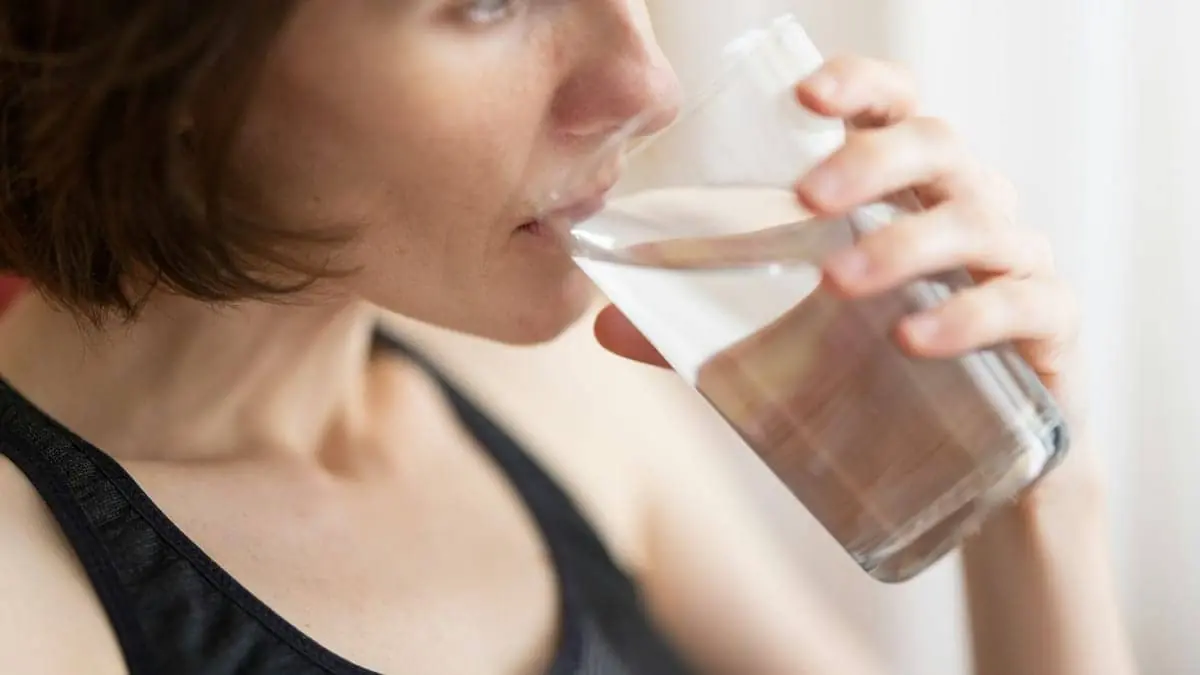
A total-water reference includes water already present in food and other drinks. Reading it as a prescription for that much extra plain water can therefore produce the wrong answer. The US reference of 3.7 liters for adult men and 2.7 liters for adult women is an Adequate Intake, not a measured requirement for each person. This article explains what belongs in the total, why circumstances change needs and where a population reference stops being a useful guide to a specific day.
An illustrative day might contain coffee, milk, soup, fruit and plain water. The point is not to assign a perfect hydration score to that menu, but to avoid counting the reference amount again on top of everything already consumed. A hot outdoor shift and a sedentary indoor day need not lead to the same behavior. Thirst and urine appearance offer context for many healthy adults, with limitations; they are not reliable substitutes for a tailored plan when illness or medication changes fluid balance. Do not turn an approximate total into an hourly drinking quota or a challenge to finish a bottle.
The reference values come from the Dietary Reference Intakes report published in 2005, when the Institute of Medicine, now part of the National Academies, set Adequate Intake levels for total water. The figure is 3.7 liters per day for adult men and 2.7 liters per day for adult women, equivalent to about 125 and 91 fluid ounces.
Two details matter more than the headline numbers. First, this is total water: everything from beverages combined with the moisture in food. The committee estimated that about 80 percent of total water intake typically comes from drinks and the remaining 20 percent from food, so the beverage-only portion is closer to 3.0 liters for men and 2.2 liters for women. Second, an Adequate Intake is a population-level estimate derived from what healthy, adequately hydrated people actually consume, not a personalized prescription. The committee set the figures at the median intakes reported for young adults in national survey data, on the reasoning that populations drinking those amounts show no signs of chronic under-hydration.
For comparison, the European Food Safety Authority publishes its own Adequate Intakes of 2.5 liters for men and 2.0 liters for women on the same total-water basis, a reminder that these are judgment calls built on survey data rather than laboratory requirements. Real-world intake sits close to the U.S. figures: CDC survey analysis found American men averaging about 3.5 liters of total water a day and women about 2.7 liters, without anyone counting glasses.
The eight-glasses idea traces most plausibly to a 1945 recommendation by the U.S. Food and Nutrition Board suggesting roughly one milliliter of water per calorie of food energy, about two liters for a typical diet. The same paragraph noted that most of this quantity is contained in prepared foods. That qualifier, counting food moisture, was dropped as the advice passed through decades of popularization.
Physiologist Heinz Valtin put the rule to the test in a 2002 review in the American Journal of Physiology, searching the literature for evidence supporting eight 8-ounce glasses of plain water for healthy adults. He found none. Surveys of thousands of healthy adults showed wide variation in intake with no evident harm, and he concluded there was no scientific support for the 8x8 rule as a universal requirement. Later reviews have not overturned that conclusion.
Excessive rapid drinking can dilute blood sodium and cause hyponatremia. Risk depends on excretion, exercise and other conditions; no single hourly intake is a universally safe limit. This article is not an endurance-event replacement-fluid prescription.
The food side of the ledger deserves respect, because roughly a fifth of the official total arrives without a bottle. Watermelon, cucumber, oranges, and leafy greens are 80 to 95 percent water; soups and stews often exceed 80 percent; even yogurt and cooked grains contribute meaningfully. A day built around produce and a bowl of soup banks fluid the same way a day of pastries does not, which is part of why the guideline refuses to speak only in glasses.
For everyday purposes, the body's own gauges work well. Thirst is a reliable signal for most healthy adults, and urine color offers a simple check: pale straw yellow generally indicates adequate hydration, while dark yellow suggests the need to drink more. Vitamin supplements and some foods can tint urine regardless of hydration status, which is worth remembering before chasing clear liquid.
Water in coffee, tea, milk, soup and other foods contributes to total intake. That does not make every beverage interchangeable as a health choice. Alcohol can increase urine production, with effects depending on dose and circumstances, and should not be chosen as a hydration strategy.
Federal survey data back the idea that most people manage fine without counting glasses. NHANES data published by the CDC found average total water intake of about 3.5 liters for U.S. men and 2.7 liters for women, close to the Adequate Intake figures, without any national counting habit.
People with kidney disease, heart failure, or conditions requiring fluid restriction should set targets with a physician, since their needs differ fundamentally from the general population. For everyone else, drink when thirsty, add more for heat and training, and let pale yellow urine confirm the balance.
The official protein RDA is 0.8 grams per kilogram of body weight, but many researchers argue adults need more. What the evidence shows.
Distinguish diet rankings from PREDIMED's cardiovascular findings, its reanalysis and practical food substitutions.
Average fiber intake sits near 15 grams a day against targets of 25 to 38 grams. A 2019 Lancet meta-analysis shows what that gap costs.