Chest Strap vs. Wrist: Which Heart Rate Monitor Is More Accurate?
Chest straps agree with ECG nearly perfectly, while wrist optical monitors vary from excellent to poor depending on activity, Cleveland Clinic research shows.
A 2019 meta-analysis of 21 studies found foam rolling modestly improves flexibility and reduces post-exercise soreness, with little effect on strength.
A roller can be judged by a simple question: what needs to be different afterward? Temporary range of motion, perceived soreness and next-day performance are separate outcomes. The 2019 Wiewelhove review measured these differences and found generally small effects. That is a more useful description than saying rolling releases fascia or speeds all aspects of recovery. This article looks at where a modest effect might be useful and where the evidence does not justify a larger purchase or a stronger promise.
The most consistent finding across the literature is a short-term increase in joint range of motion. In the Wiewelhove meta-analysis, rolling before exercise improved flexibility by about 4 percent on average, a small but reliable effect. Earlier single studies reported similar patterns — one frequently cited experiment found roughly 8 to 10 degrees of extra knee range of motion after two minutes of rolling the quadriceps, without any loss of force production.
Importantly, unlike long static stretching, rolling before training does not appear to blunt strength or power. That combination — more range, no performance tax — is why the evidence increasingly frames rolling as a warm-up tool rather than a recovery miracle. A later systematic review estimated an even larger pooled effect on range of motion, though study quality varied across trials.
Post-exercise rolling shows a genuine but moderate effect on how sore you feel in the days after hard training. Across the studies in the meta-analysis, rolling after exercise reduced muscle pain perception by about 6 percent, with a moderate effect size, and slightly attenuated the exercise-induced drop in sprint and strength performance in the following days.
Worth stating plainly: the outcome measured is perceived soreness. Feeling less sore is meaningful — it makes the day after leg day livable — but the studies do not show rolling repairing muscle faster or clearing measurable damage. The effect is on sensation, and sensation matters, yet the distinction separates evidence-based use from wishful thinking.
If you roll hoping to lift more or jump higher, the data says temper expectations. Rolling before exercise had negligible effects on jump and strength performance in the pooled analysis — roughly 1 to 2 percent changes with tiny effect sizes. Post-exercise rolling preserved a small amount of strength performance, about 4 percent, compared with not rolling.
The authors' own conclusion was measured: effects are rather minor and partly negligible, and the evidence justifies using foam rolling primarily as a warm-up activity rather than a recovery tool. That sentence, buried in a meta-analysis, is the most useful 30 words ever written about the foam roller.
The popular explanation — rolling mechanically breaks up fascial adhesions — does not survive contact with biomechanics. Fascia is enormously strong connective tissue, and the forces a bodyweight roller generates are far too small to reshape it. A 2019 narrative review by Behm and Wilke in Sports Medicine concluded the same, and instead pointed to neural mechanisms: pressure stimulates receptors in the muscle, the nervous system dials down tone and pain sensitivity, and stretch tolerance rises temporarily.
In other words, rolling changes how your brain interprets the tissue more than the tissue itself. That does not make the practice useless; it makes the mechanism honest, and it explains why the effects fade within minutes to hours.
The trials mostly used smooth, medium-density rollers, which is worth knowing because the market sells far more aggressive options. Textured and vibrating rollers have been studied less, and the few head-to-head comparisons have not shown them producing larger effects than smooth foam. Density is a comfort dial rather than a dose-response curve: harder rollers deliver more pressure, and more pressure is not automatically better — protocols that hurt tend to make people tense the very muscles being rolled. A smooth standard roller covers the evidence base; ridged designs are preference, not prescription. Travel-sized versions compress to fit a bag, and since the studied protocols run 30 to 120 seconds per muscle group, the entire routine fits into the two minutes before a warm-up.
If the purpose is easier movement before an activity, compare the same comfortable movement before and after a brief session. If the purpose is soreness relief, record that sensation separately from performance. Neither observation proves that tissue has been repaired or that harder pressure is better. A roller need not earn its place by changing every outcome; equally, a product's elaborate surface does not establish superiority. The purchasing decision is whether a small, temporary benefit is valuable enough in the intended routine. Persistent focal pain belongs to a different problem from normal post-exercise soreness and should not be repeatedly rolled without assessment.
Use the roller before training on the muscles you are about to load, for roughly 30 to 120 seconds per area, expecting a short-lived boost in range. Use it after training if soreness bothers you, knowing the benefit is comfort rather than repair. Slower rolling with tolerable pressure appears in many protocols; there is no evidence that aggressive pain chasing works better.
How does rolling compare with its nearest rivals? Static stretching also improves range of motion, but long-hold stretching before heavy strength work has repeatedly been shown to reduce force output, which is the trade-off rolling avoids. Massage guns deliver comparable pressure at considerably higher cost, and their small heads are harder to control than a broad roller. Rolling earns its place by being cheap, safe, and nearly free of downside — the evidence simply refuses to inflate what that place is.
Consistency is the other quiet finding. Studies that repeated rolling across several sessions tended to show cumulative benefit in soreness and range, while a single session's effects faded within hours. Practically, that favors a two-minute roll of the calves and quads on most training days over an occasional long session — the habit costs less time and matches how the studies were actually run.
Keep expectations calibrated. A foam roller is a cheap, low-risk tool with two modestly supported benefits — flexibility and soreness perception — and no evidence for the bigger promises. Used that way, it earns its corner of the gym. Used as a recovery solution, it disappoints the data.
Chest straps agree with ECG nearly perfectly, while wrist optical monitors vary from excellent to poor depending on activity, Cleveland Clinic research shows.
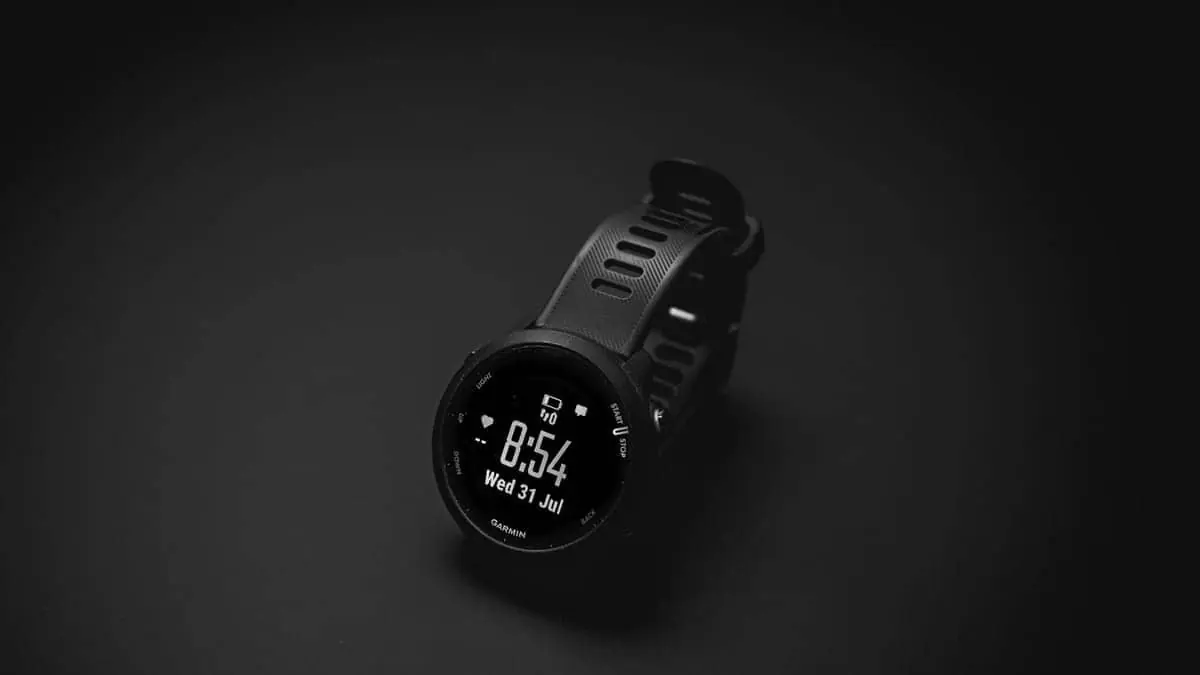
Garmin Forerunner 165 costs $249.99 at launch with a 1.2-inch AMOLED display, GPS and wrist heart rate. What you get, what you give up, and who it suits.
Check the legacy BowFlex 552 and 1090 recall before use or a used purchase. Understand model identity, the official remedy and the limits of a desk review.