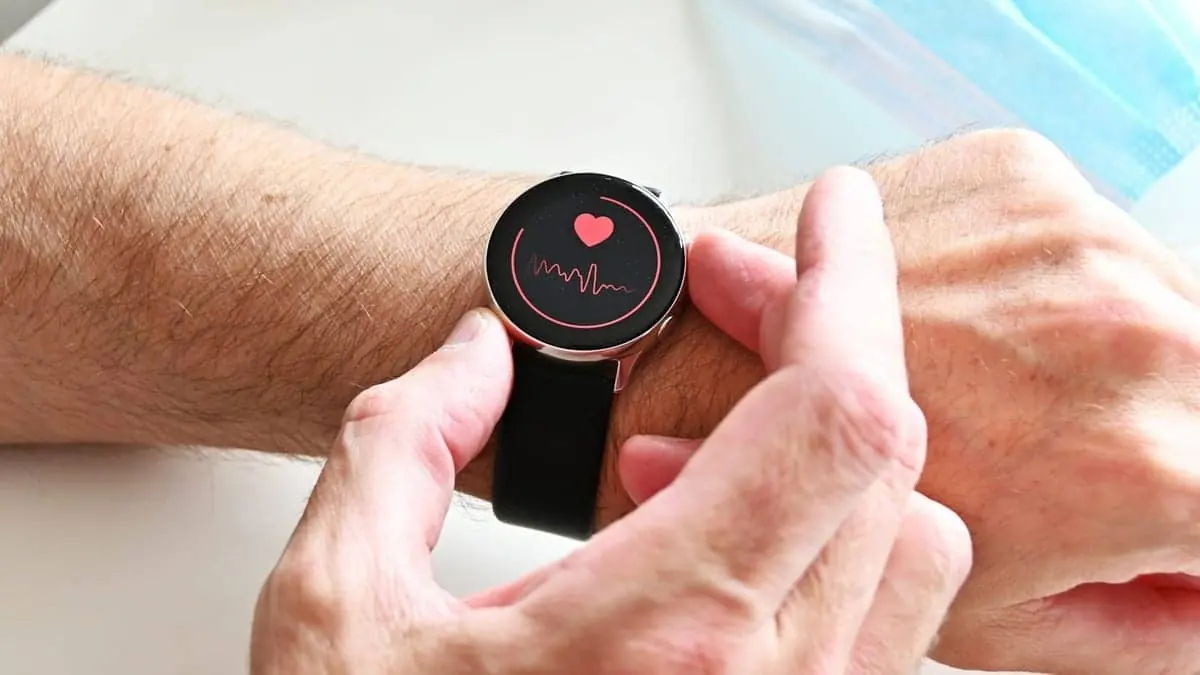
Chest Strap vs. Wrist: Which Heart Rate Monitor Is More Accurate?
Chest straps agree with ECG nearly perfectly, while wrist optical monitors vary from excellent to poor depending on activity, Cleveland Clinic research shows.
A practical framework for reading running-shoe reviews, comparing fit and checking model details. No claim of original lab or wear testing.
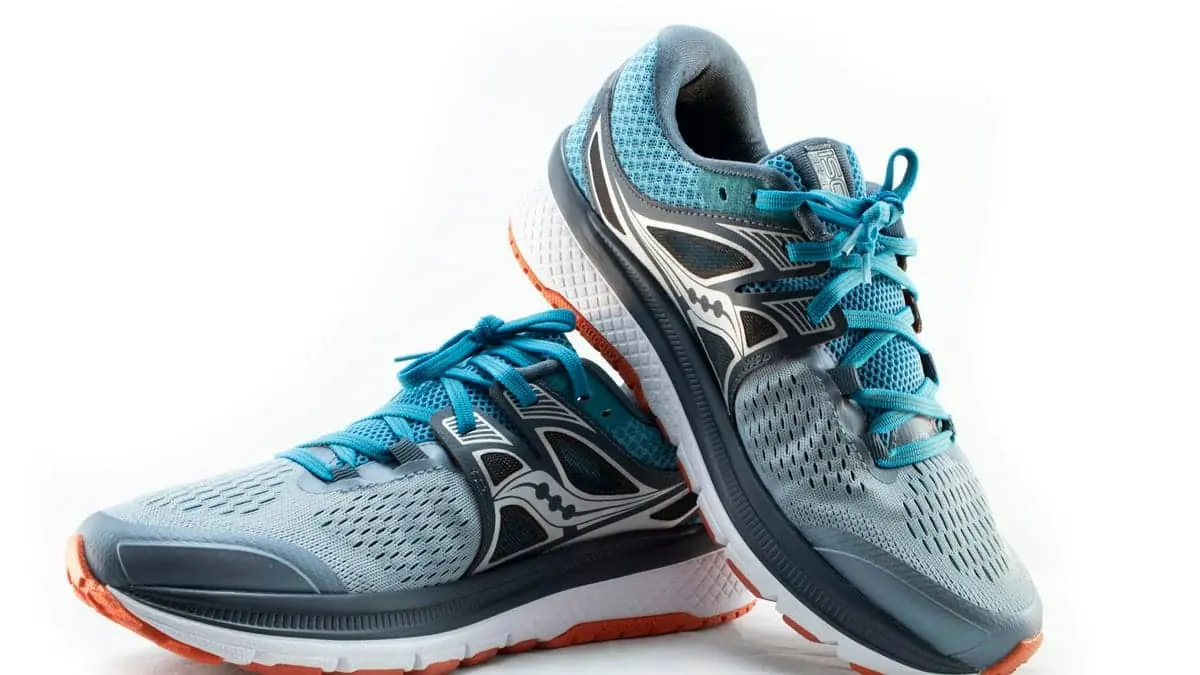
A running-shoe shortlist should describe your needs before it describes a winner. An award can introduce a model worth considering, but it does not establish that the shoe fits your feet, your route or your budget. This guide provides a comparison process rather than an annual ranking. VitalPulse has not conducted laboratory or wear testing of the shoes mentioned in earlier versions of this page. The guide was revised to remove unpinned claims about reviewers' 2026 consensus, model prices and specifications.
Write a short description of the intended use: ordinary road running, mixed running and walking, a race, or a route that includes uneven ground. Add the constraints that will affect the purchase, such as a required width, an orthotic already used, or a limited return window. These details are more useful than asking for the best shoe without a definition of best. A reviewer's favorite fast trainer may solve a different problem from a comfortable everyday pair.
As an editorial example, imagine someone replacing a daily road shoe that feels cramped at the forefoot. Their first comparison is fit in the relevant width, not which model has the newest racing foam. Another runner might have a comfortable everyday pair and want a separate option for faster sessions. That second purchase requires a different comparison. Neither example is a claim about which shoe improves performance or prevents injury.
The American Academy of Orthopaedic Surgeons advises trying athletic shoes with the type of socks used for the activity. It also recommends checking fit on both feet and allowing appropriate room rather than expecting a tight shoe to stretch into a good fit. Nike's fitting guidance similarly emphasizes heel security and space in front of the toes. These are fitting references, not a medical assessment of a reader's feet.
For a useful store comparison, wear the same socks for each pair and record where pressure appears. Check the heel, the widest part of the forefoot and the space beyond the toes. Do not let a familiar size label override what the actual shoe feels like. A longer size and a wider version are different changes; solving width by adding excessive length may create another fit problem. Ask which options the model actually offers.
If a retailer permits a short trial, compare comfortable movements rather than trying to force an unfamiliar running style. A brief try-on still cannot establish comfort after a long run. Read return conditions before assuming an outdoor trial is allowed, and distinguish a fit return policy from a manufacturing-defect warranty.
Weight, stack height and heel-to-toe drop describe aspects of a shoe, but they do not add up to a universal quality rating. Published weight also needs a stated size and version to be comparable. A men's sample size and a smaller women's sample are not a controlled weight comparison. The same applies when one listing includes an insole or a regional version and another does not make that clear.
Use a specification to ask a question. If a shoe has a substantially different shape or geometry from a familiar pair, ask how that difference feels during the intended use. More cushioning is not automatically better for every runner, and a low weight does not prove long-term durability. Manufacturer descriptions establish what the brand says the product contains; they are not independent measurements of comfort, stability or injury risk.
A useful review identifies the exact model, publication or update date, tester and test conditions. Look for a distinction between measurements, subjective impressions and manufacturer information. An account of several easy runs can help with that use case without establishing race performance or a lifespan measured over hundreds of miles. A laboratory result is valuable when the method and comparison are explained, not merely because the word tested appears in the headline.
Read the drawbacks as carefully as the recommendation. A tester's note about a pressure point, loose heel or unstable feeling may be more relevant to your shortlist than an overall score. At the same time, one person's discomfort does not prove everyone will experience it. The aim is to identify a question for your own fitting comparison, rather than borrow another runner's feet.
Annual lists change. If a list informed a decision, record the date and model generation rather than treating its current page as a permanent record of an earlier award. A renamed successor or a link that now redirects to a new version should trigger another specification check.
Keep currency, tax, delivery and return costs attached to each offer. A launch price is historical information; it does not prove the current value of a discounted pair. Confirm the size and width in stock as well. A large reduction on a version that cannot be returned or does not fit is not necessarily a saving.
An editorial comparison sheet can have four columns: exact model and version, delivered price, fit observations, and return conditions. Add a fifth for the intended job if comparing different categories. This makes the reason for choosing visible and prevents a small price difference from concealing a missing requirement. It is a purchasing aid, not a ranked product test.
There is no exact retirement distance that applies to every shoe and runner. Wear depends on the model, use and conditions. Note visible damage, changes in fit and how the pair behaves over familiar routes. If pain appears, do not diagnose its cause simply by deciding the shoe has reached a particular mileage; a change in training or another problem may be involved.
Keep a replacement decision separate from a promise of injury prevention. New shoes can solve a fit or wear problem, but buying an award winner does not establish protection from running injuries. Persistent pain or difficulty needs appropriate assessment. The useful outcome of this guide is a documented shortlist and a clear fitting decision, not a universal winner or an unsupported claim that the most expensive foam will make the next run safe.
Chest straps agree with ECG nearly perfectly, while wrist optical monitors vary from excellent to poor depending on activity, Cleveland Clinic research shows.
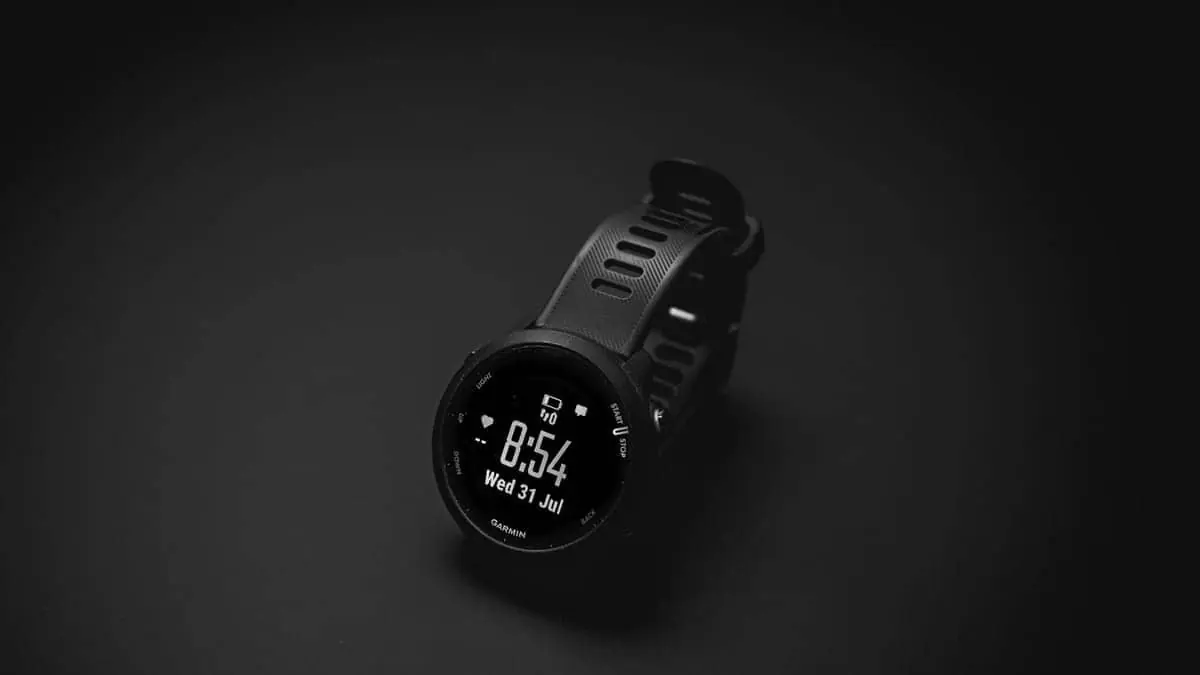
Garmin Forerunner 165 costs $249.99 at launch with a 1.2-inch AMOLED display, GPS and wrist heart rate. What you get, what you give up, and who it suits.
Check the legacy BowFlex 552 and 1090 recall before use or a used purchase. Understand model identity, the official remedy and the limits of a desk review.