Chest Strap vs. Wrist: Which Heart Rate Monitor Is More Accurate?
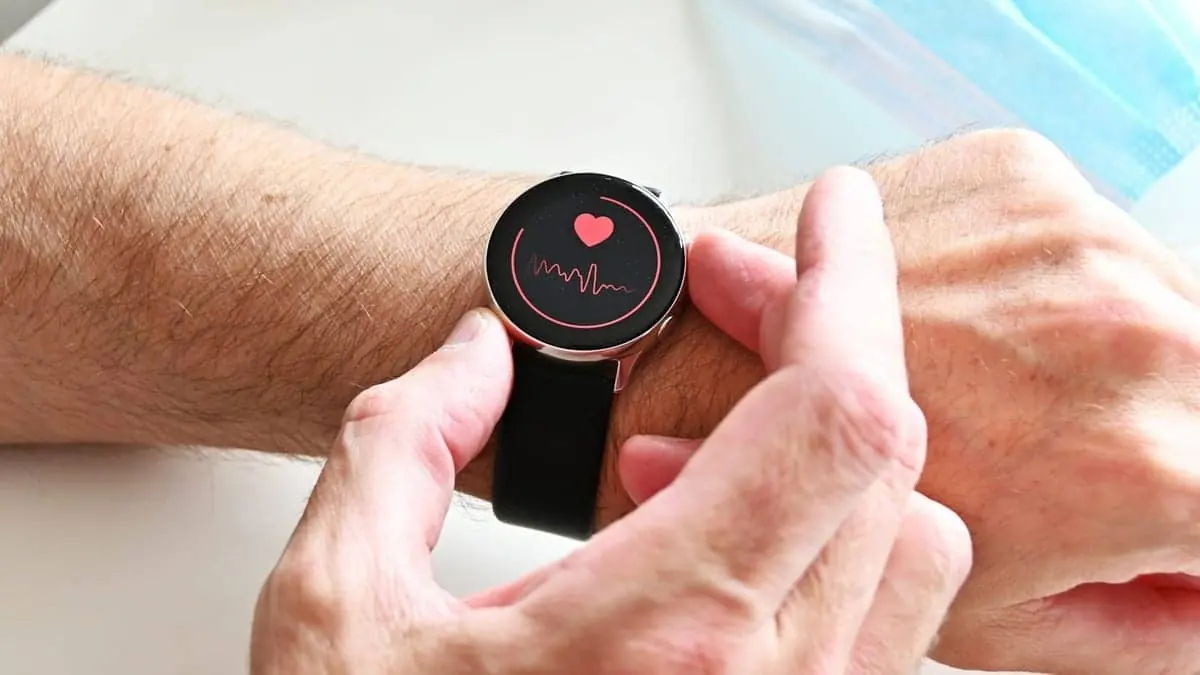
Chest straps agree with ECG nearly perfectly, while wrist optical monitors vary from excellent to poor depending on activity, Cleveland Clinic research shows.
Check the legacy BowFlex 552 and 1090 recall before use or a used purchase. Understand model identity, the official remedy and the limits of a desk review.
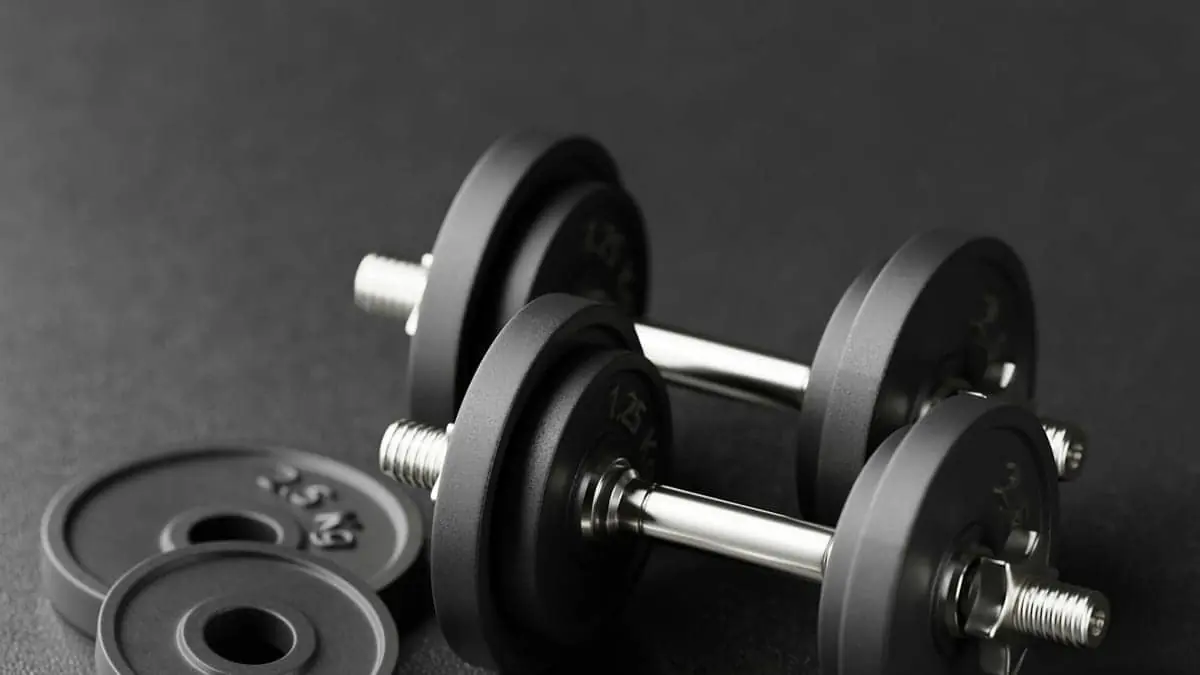
The first question about a legacy BowFlex 552 is its recall status. The US Consumer Product Safety Commission announced a recall of 552 and 1090 adjustable dumbbells on June 5, 2025 because plates can detach during use. BowFlex's recall page instructs owners of affected products to stop using them and follow the recall process. This article is a documentation-based ownership and used-buying guide, not a hands-on test or an endorsement of an unidentified unit.
The CPSC notice identifies the legacy 552 as a 52.5-pound adjustable dumbbell and the 1090 as a 90-pound model. Products were sold individually and in pairs, with handles, plates and molded trays. Read the model and serial information on the actual product and follow the official identification instructions. A photograph of a familiar dial is not enough to establish which version is being offered.
BowFlex's current US information says genuine 552 and 1090 products are included even if a serial number is not in the notice's displayed ranges. If identity is unclear, contact the official support channel rather than interpreting an absent number as proof of exemption. Recall participation and remedies can differ by location and purchase history; the live instructions are the appropriate reference for an owner's case.
A later product sold under related SelectTech or Results Series branding needs a separate assessment. Similar names and weight ranges do not prove that the construction, warranty, parts or recall status are the same. The older 552's specifications should not be silently combined with a newer product page to create a single review.
The CPSC notice records 337 reports of plates dislodging for units sold by Nautilus, including 111 injuries. It separately records 12 detachment reports without injury for units sold by Johnson Health Tech Trading. These are reported incidents, not the results of a randomized durability test. They establish a safety issue that an ownership article must disclose.
The notice does not support a claim that almost every failure was caused by dropping or improper lifting. Nor can its incident count, without appropriate exposure and reporting information, be converted into a personal failure probability. We have removed that unsupported attribution. A normal-looking unit or a dial that turns smoothly is not an independent demonstration that the recall concern has been resolved.
The legacy 552 selects loads from 5 to 52.5 pounds per dumbbell through dials while the assembly is seated in its base. Selected plates are retained for lifting and unselected plates remain in the tray. This distinction matters: the long handle assembly can remain bulky at light loads, but it is inaccurate to explain that bulk by saying all unselected plates travel inside the lifted shell.
The historical range made small load changes possible without storing a row of fixed dumbbells. That is a description of the design's purpose, not an instruction to resume using a recalled product. Space savings and familiar programming cannot override the stop-use advice. A tray, stand or apparently compatible replacement plate also does not by itself document completion of the official remedy.
Ask a seller to identify the exact product and provide relevant documentation. Terms such as refurbished, checked, hardly used or new version do not tell a buyer whether the recall process applies or has been completed. Keep any claim of a remedy tied to the actual item, not another unit's receipt or a generic screenshot.
Do not ask for a workout demonstration as a substitute for this documentation. One successful lift does not test future plate retention. If the item cannot be identified or its status explained, the sensible purchasing decision is to leave the transaction unresolved. There is no need to calculate a bargain value for equipment whose basic identity and safety status are unclear.
For an existing owner, use the official recall route directly. Follow its requirements for photographs, product information and subsequent steps. This article does not submit a claim, determine eligibility or promise a particular remedy. Avoid publishing personal purchase records or serial labels in public discussion when communicating privately with the authorized support process would suffice.
After resolving the recall question, a broader shopping comparison can begin with a short list of exercises and usable loads. Someone may need two fixed pairs rather than the full range advertised by an adjustable set. Another household may value sharing a wider range in limited space. A comparison against an entire rack can exaggerate savings if that rack would never have been bought.
Include the base and the clearance needed for lifting in the storage measurement. For a different adjustable product, read its own manual, limits and parts policy. Check the exact maximum load per hand rather than treating a pair's combined weight as one dumbbell's capacity. These are original purchasing checks, not results of a comparative durability or training trial.
An optional training app can supply demonstrations or sessions, but subscription content does not establish that a physical unit is safe. Manual adjustable weights do not require an electronic connection simply because an app is marketed alongside them. Confirm current app terms independently, and distinguish a service trial from the product's mechanical warranty or recall remedy.
The same distinction applies to stands and trays. Their convenience may matter to storage, but an accessory purchase is not a safety repair. Do not substitute components across model generations without explicit manufacturer guidance, and do not assume a replacement advertised by an unrelated seller is the prescribed remedy.
For the legacy 552 or 1090, identify the unit, read the official recall instructions and follow the stop-use and remedy guidance. For a different product, start a separate specification and support comparison. Keeping those decisions separate is more useful than an updated star rating that mixes generations or implies an undocumented unit has passed inspection.
Chest straps agree with ECG nearly perfectly, while wrist optical monitors vary from excellent to poor depending on activity, Cleveland Clinic research shows.
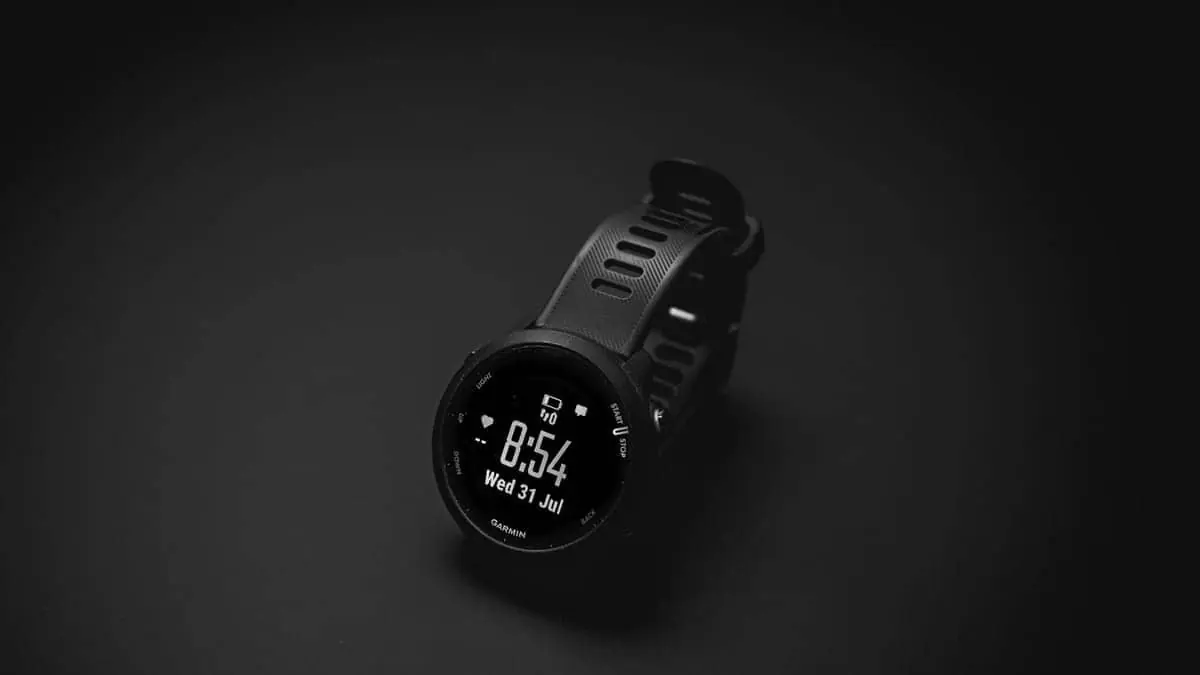
Garmin Forerunner 165 costs $249.99 at launch with a 1.2-inch AMOLED display, GPS and wrist heart rate. What you get, what you give up, and who it suits.
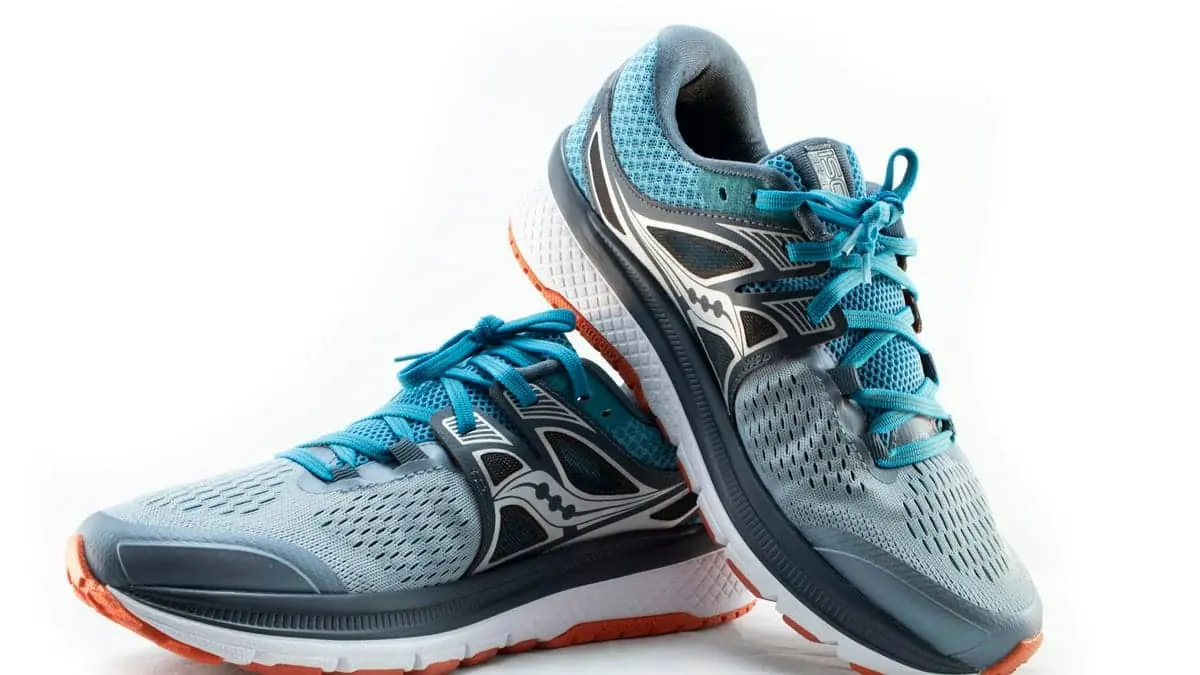
A practical framework for reading running-shoe reviews, comparing fit and checking model details. No claim of original lab or wear testing.