Chest Strap vs. Wrist: Which Heart Rate Monitor Is More Accurate?
Chest straps agree with ECG nearly perfectly, while wrist optical monitors vary from excellent to poor depending on activity, Cleveland Clinic research shows.
Garmin Forerunner 165 costs $249.99 at launch with a 1.2-inch AMOLED display, GPS and wrist heart rate. What you get, what you give up, and who it suits.
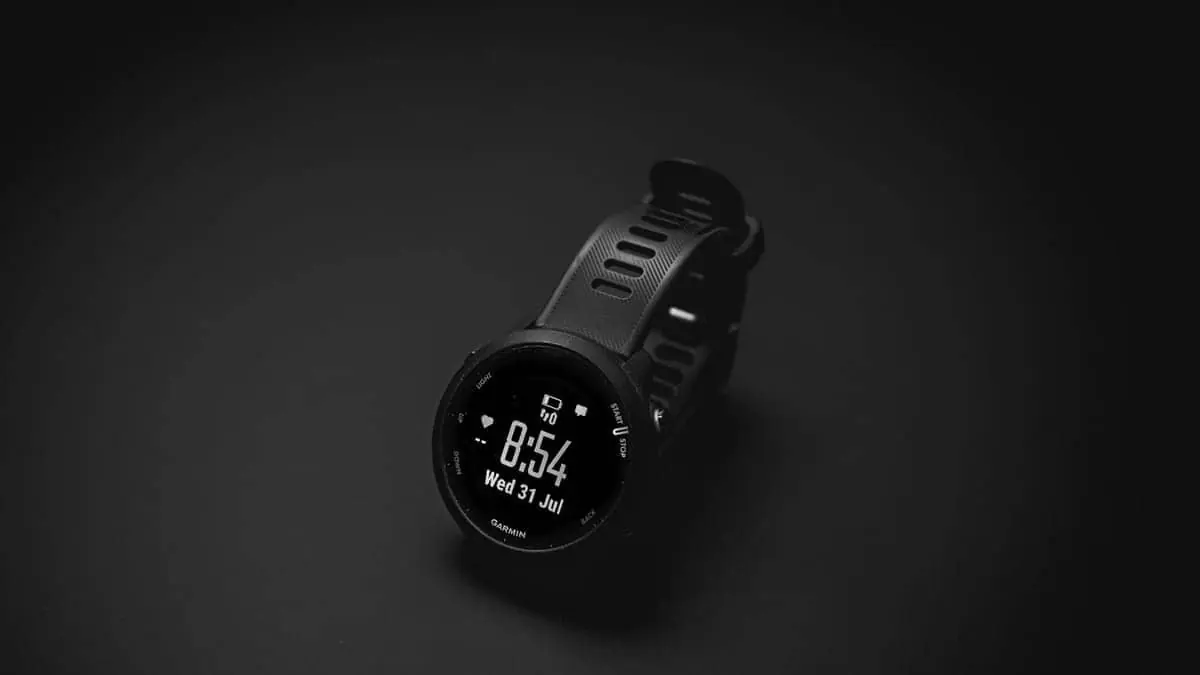
The Forerunner 165 is a useful example of why a running-watch checklist should separate essential functions from the longest list of metrics. It launched in 2024 at $249.99, with an AMOLED screen, running guidance and a Music variant at a higher price. This assessment uses documentation rather than a VitalPulse field test. It checks the features that matter to a purchase, including five physical buttons and Garmin Pay, while treating battery figures as manufacturer ratings and prices as dated references.
Write three columns: needed on every run, useful occasionally, and not worth paying for. Place navigation, music storage, payment support and preferred sensors in the appropriate column before comparing models. Verify the exact version and supported bank or service locally. For battery, compare the relevant tracking mode rather than a smartwatch headline with another model's GPS rating. This method can make a lower-priced watch adequate without pretending it includes every training tool. It also makes a missing essential feature visible before a discount becomes the deciding factor. We have not measured route accuracy, battery endurance or optical heart-rate error for this watch.
The headline feature is the 1.2-inch AMOLED display with a 390 by 390 pixel resolution, wrapped in a 43 by 43 by 11.6 millimeter polymer case that weighs about 39 grams. Garmin's older budget Forerunners used transflective memory-in-pixel screens that were readable in sunlight but dim and low-contrast indoors. The 165's AMOLED panel is vivid by comparison, supports an optional always-on mode, and responds to touch alongside five physical buttons.
Garmin lists a 5 ATM water rating, a 20-millimeter quick-release strap and chemically strengthened glass. Refer to Garmin's water-use guidance rather than reading the rating as permission for every water activity. These specifications do not establish comfort, durability or a comparative ranking.
Software is where the 165 earns its keep. It tracks GPS, GLONASS, and Galileo satellite systems, pairs with Garmin's Elevate wrist heart rate sensor, and supports more than 25 activity profiles. The running toolkit includes Training Effect, recovery time estimates, daily suggested workouts, race predictions, and free adaptive Garmin Coach plans for 5K, 10K, and half marathon distances.
You also get Garmin's health layer: sleep scoring with sleep stages, HRV status, Body Battery energy tracking, stress monitoring, and pulse oximeter spot checks. A morning report summarizes sleep and training outlook when you wake. The Music version stores songs from supported third-party services and streams to Bluetooth headphones, which matters to runners who hate carrying a phone.
The official specification lists 4 GB of memory. That figure alone does not establish an exact quantity of activity history or music across settings and file types. The Music variant supports supported music services and Bluetooth headphones; provider subscriptions and availability should be checked separately.
Garmin rates battery life at up to 11 days in smartwatch mode, 20 days in battery saver mode, 19 hours with GPS only, and 17 hours using all satellite systems. These are manufacturer ceilings rather than results of a VitalPulse battery test. Display settings, tracking and other use affect the interval between charges.
The catch is charging. Garmin still uses a proprietary cable rather than wireless charging, so a lost charger means a specific replacement order. Runners coming from Apple Watch or recent Android watches will notice the inconvenience, though the multi-day battery makes charging a weekly event rather than a nightly ritual.
The compromises are predictable but worth listing. The 165 uses single-band GPS without the dual-frequency receivers found on flagship watches, so dense city blocks and deep tree canopy can still bend the track, although Garmin's antenna design has generally performed well in independent comparisons. There are no onboard maps, no Training Readiness score, and no speaker or microphone for calls.
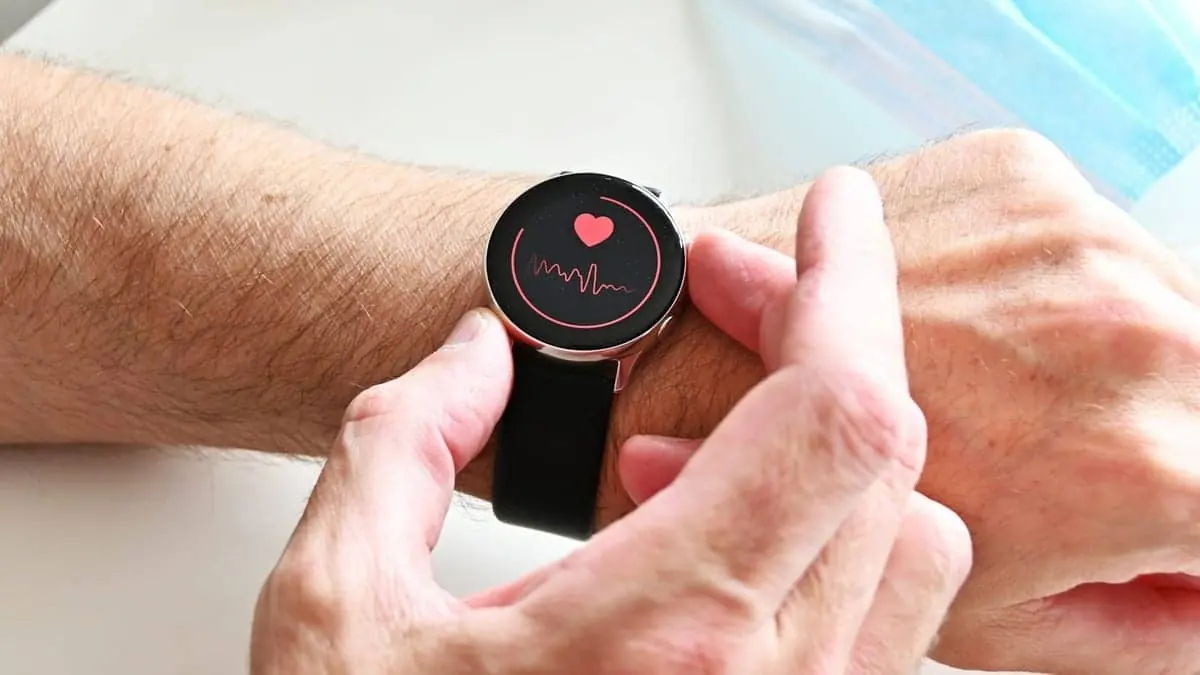
Optical heart-rate limitations are a reason to consider compatible external sensors for some uses, but this article has not measured the 165's error during intervals. The separate sensor-comparison article examines that measurement question. Confirm compatibility against the current documentation before buying an accessory.
The watch supports external sensors, and its official specification lists ANT+ heart-rate broadcasting. Confirm each accessory against the compatibility list before buying it. Garmin Pay is available, subject to supported banks and regions. Core tracking and several training tools do not require a subscription; optional services, music providers and premium software may have separate terms.
A specifications table can establish weight, display size and supported features, but it cannot establish comfort on a particular wrist or GPS performance on a particular route. Try the controls and strap if possible. Treat sleep and recovery estimates as consumer tracking information rather than diagnoses.
The Forerunner 165 fits newer and intermediate runners who want structured training guidance, accurate GPS pace and distance, and multi-day battery life without spending $500 or more. It is less compelling for trail runners who need maps, or data obsessives who want the newest sensors, both of which point to higher models.
For a buyer comparing offers, the useful question is whether the 165 includes the functions needed at the price actually available. A low price does not add maps or Training Readiness. A higher model number is not a reason by itself to replace a watch that already supports the intended training.
Chest straps agree with ECG nearly perfectly, while wrist optical monitors vary from excellent to poor depending on activity, Cleveland Clinic research shows.
Check the legacy BowFlex 552 and 1090 recall before use or a used purchase. Understand model identity, the official remedy and the limits of a desk review.
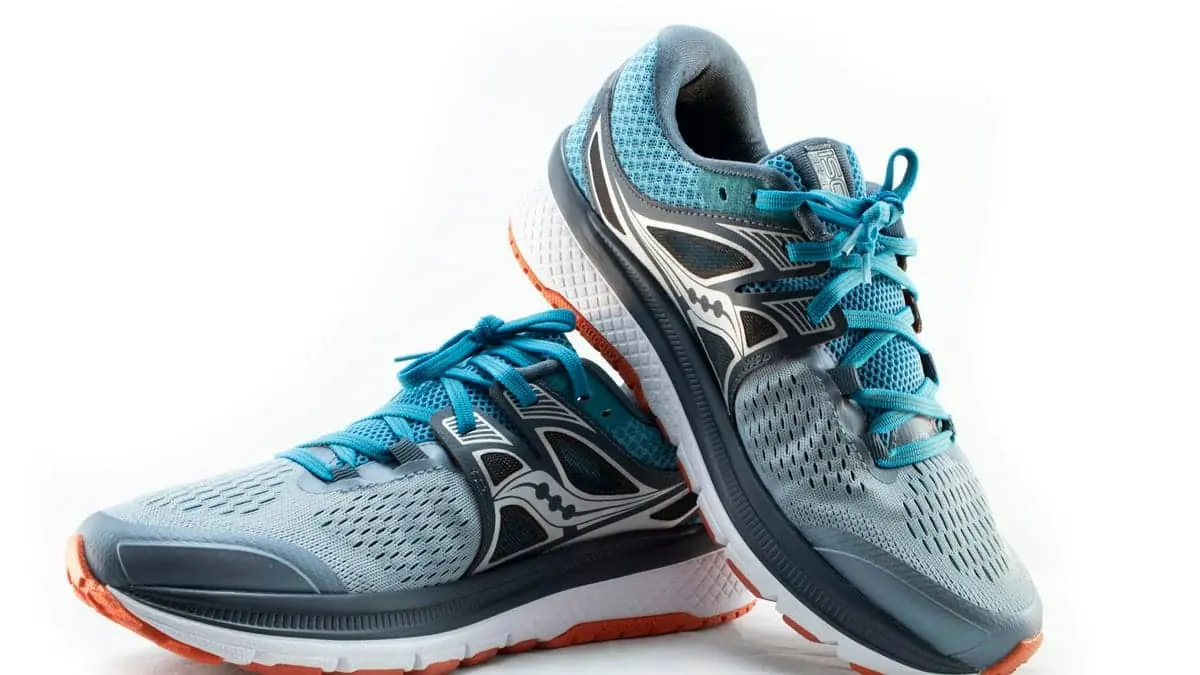
A practical framework for reading running-shoe reviews, comparing fit and checking model details. No claim of original lab or wear testing.