Chest Strap vs. Wrist: Which Heart Rate Monitor Is More Accurate?
Chest straps agree with ECG nearly perfectly, while wrist optical monitors vary from excellent to poor depending on activity, Cleveland Clinic research shows.
A practical yoga mat guide: 3 to 6 millimeter thickness trade-offs, PVC versus TPE versus natural rubber, and real specs from Manduka PRO and Liforme mats.
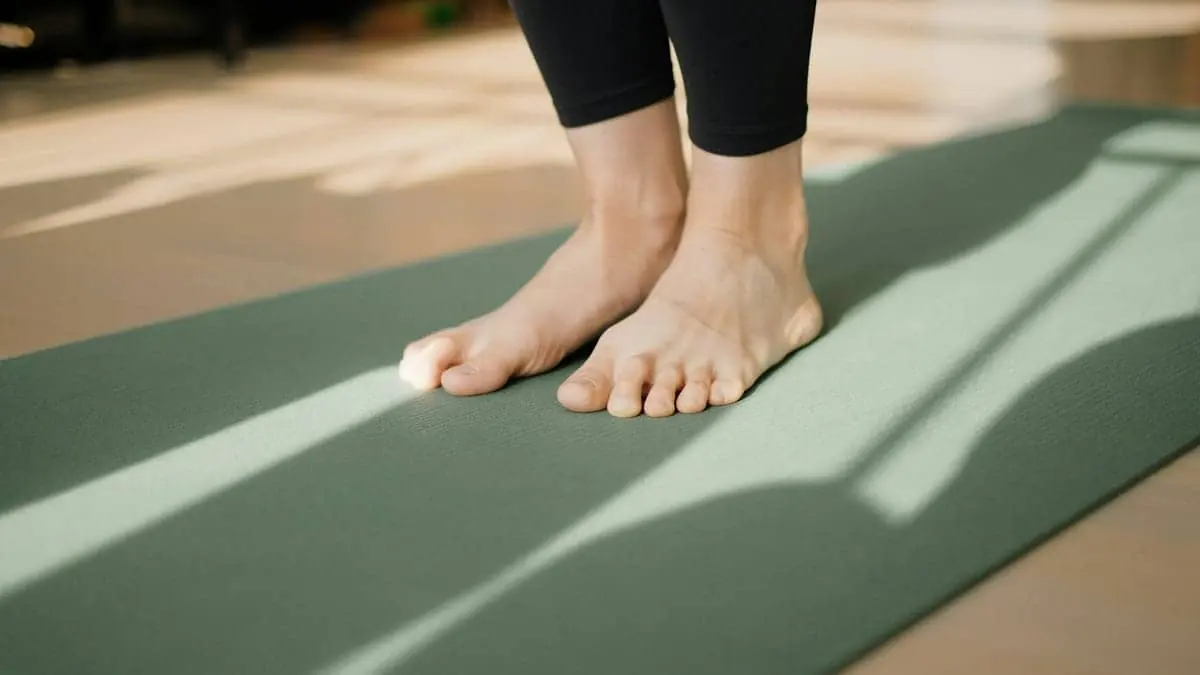
Thickness is only one reason two yoga mats feel different. A dense mat and a soft mat of the same thickness can behave differently under a standing balance or a kneeling posture. Surface construction affects grip, while weight matters if the mat travels to class. This guide uses manufacturer specifications as reference points rather than claiming independent product testing. The aim is to build a shortlist around the practice and carrying requirements, not to treat one material as universally best.
Identify the actual complaint first: slipping hands, an uncomfortable knee, an unstable standing pose or a heavy walk to class. A thicker mat may address one concern while worsening another. If trying a product, use a comfortable posture relevant to the complaint and ask how its surface should be cleaned and used with sweat. Material labels do not establish a universal wet-grip ranking. Check dimensions and carried weight against the exact version, and keep currency attached to any price. Manufacturer claims about grip or sustainability should remain attributed claims unless independent evidence supports a broader conclusion.
Standard mats run between 1/8 inch (about 3 millimeters) and 1/4 inch (6 millimeters). Thinner mats, around 1 to 2.5 millimeters, exist mainly for travel — they fold into luggage and maximize floor connection, at the cost of knee and wrist comfort. A 3 millimeter mat suits experienced practitioners who prioritize balance and do not mind firm ground contact.
The 4.2 to 6 millimeter band is the sweet spot for most home practitioners. Manduka's flagship PRO mat is 6 millimeters — thick enough to protect knees and wrists in weight-bearing postures, while its very high density keeps it from feeling spongy. Liforme's regular mat splits the difference at 4.2 millimeters, positioned as an all-round thickness for daily practice.
Thickness and density interact, so a blanket cutoff cannot determine suitability for standing or restorative practice. Try the relevant posture on the actual product where possible. A thick soft mat may feel less stable, but this guide has not measured that response across products or users.
Polyvinyl chloride dominates the premium end. The Manduka PRO is closed-cell PVC: its surface seals out sweat and bacteria, wipes clean, and the mat carries a lifetime guarantee, weighing about 3.4 kilograms in standard size. The trade-offs are weight, a break-in period during which grip feels slippery, and the environmental baggage of PVC — though Manduka manufactures it in Germany in an emissions-free process. Closed-cell PVC suits sweaty practices only with a towel, since sweat sits on the surface instead of absorbing.
TPE is used in a range of lightweight mats, but the material label does not establish a particular lifespan, sweat absorption or grip quality. Those depend on construction and care. Compare the specific product's published materials, cleaning instructions and warranty rather than assuming all TPE mats share the same performance.
Rubber mats, like Liforme's, pair a grippy natural rubber base with felt or polyurethane surface layers. Grip on a rubber-based mat depends on its surface construction; the base material alone does not establish wet grip, and it is a renewable material. The downsides: rubber mats are heavy (Liforme's regular mat is about 2.5 kilograms), they cost more, they can pose a latex concern for allergic users, and a characteristic smell lingers early on.
Grip has two dimensions: the mat's hold on the floor beneath it, and your hands' hold on the mat. Textured or dot-patterned bases — Manduka uses a proprietary dot pattern — prevent sliding on wood and tile. Surface grip depends on material and moisture: PVC grips best dry and worst sweaty, rubber and polyurethane products differ by surface treatment, so wet grip and wear need product-specific evidence.
Be skeptical of marketing on this point; the consistent complaint in user feedback is that grip is the most variable quality between seemingly similar mats, and it is the one most worth researching individual reviews for before buying.
The Manduka PRO: 6 millimeters, 71 by 26 inches standard, 3.4 kilograms, closed-cell PVC, made in Germany, lifetime guarantee, sold in different markets and currencies; compare a dated local listing rather than converting a European price label into US dollars. It is the durability benchmark and, at over three kilograms, heavier than most people want to carry to class daily.
The Liforme Regular: 4.2 millimeters, 185 by 68 centimeters, about 2.5 kilograms, natural rubber with a felt mid-layer and patented alignment markings, sold at the premium end of the market, typically north of $100. It targets practitioners who want wet grip and balance-friendly thickness in one mat.
Home practice with sensitive joints: 6 millimeters, high density. General all-round practice: 4 to 5 millimeters in rubber or dense PVC. Travel and studio commuting: 1.5 to 3 millimeters, TPE or rubber. Hot yoga: open-cell rubber or a PVC mat plus a towel. Match material to your sweat level, weight to how far you carry it, and the right mat should last years rather than months.
Chest straps agree with ECG nearly perfectly, while wrist optical monitors vary from excellent to poor depending on activity, Cleveland Clinic research shows.
Garmin Forerunner 165 costs $249.99 at launch with a 1.2-inch AMOLED display, GPS and wrist heart rate. What you get, what you give up, and who it suits.
Check the legacy BowFlex 552 and 1090 recall before use or a used purchase. Understand model identity, the official remedy and the limits of a desk review.