Chest Strap vs. Wrist: Which Heart Rate Monitor Is More Accurate?
Chest straps agree with ECG nearly perfectly, while wrist optical monitors vary from excellent to poor depending on activity, Cleveland Clinic research shows.
Build a small home-gym budget around missing movement patterns. Compare an illustrative equipment basket, optional purchases and real delivered costs.
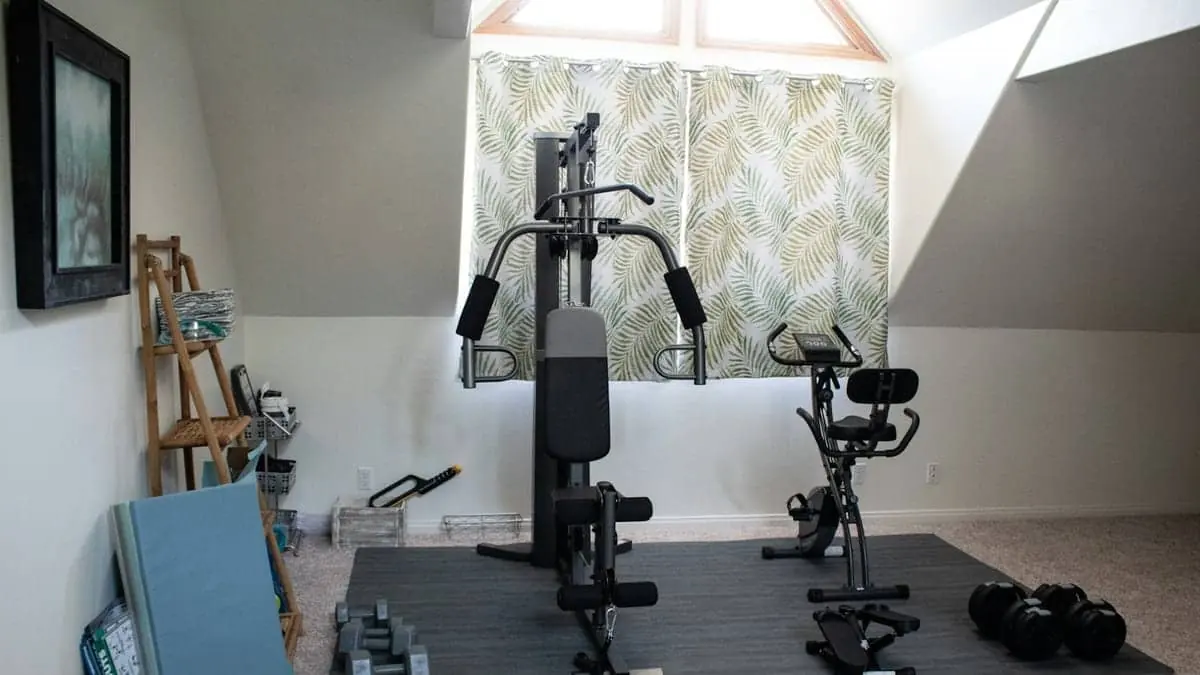
A home-gym budget is easier to control when every purchase has a job. Start with movements that cannot yet be trained comfortably, then price the equipment that fills those gaps. The illustrative basket below includes a kettlebell, bands, a mat, a roller and a rope; it is not a live shopping cart or a tested best-buy ranking. Local prices, delivery charges and the room available can change which pieces are worth buying first. A budget ceiling should not become a reason to buy equipment with no clear use.
As an editorial budgeting example, list a squat, hinge, push, pull and a tolerable form of cardio. Mark which can already be done with existing equipment or body weight. Price the cheapest suitable way to fill the remaining gap, including an anchor or protective surface if required. A roller may be optional while a secure pulling setup is important. The subtotal should be recomputed from the actual offers: listed low and high estimates are not a guarantee that tax and shipping fit the same range. Keep the receipt and return terms with the plan, especially when an item has to fit a doorway or a small room.
The BowFlex 840 is one example of a compact adjustable bell: six settings from 8 to 40 pounds in a base measuring 8.8 by 7 by 12.5 inches. Its US manufacturer page displayed $149 when checked on October 21, 2026. That is a dated price observation, not a guarantee of a delivered offer in another location.
With it you can program goblet squats, lunges, rows, presses, carries, halos, and moderate swings — a complete push, pull, legs, and core template for years of progression. If budget is tighter, a single fixed 20 to 35 pound kettlebell commonly runs $20 to $40 in discount listings and covers the same movement patterns with less range.
Bands deliver the best versatility-per-dollar in fitness. A set of five fabric loop bands commonly sells for $10 to $15, while a handled tube set with door anchors and ankle straps typically runs $20 to $35 depending on brand. Well-known budget picks sit squarely in these ranges at major retailers.
Bands add what a single kettlebell cannot: direct pulling movements such as face pulls and band pull-aparts, assisted pull-up progressions if you add a doorway bar later, lateral work for hips and shoulders, and a travel gym that weighs ounces. Research on elastic resistance supports the investment — when effort is matched, band training produces strength gains similar to conventional weights for most trainees.
A basic exercise or yoga mat, 3 to 6 millimeters thick, usually costs $15 to $30. It protects knees and elbows during floor work, defines your workout space, and doubles for stretching and core circuits. Skip the ultra-cheap mats that roll at the corners; mid-range TPE options in this price band hold up fine.
A standard 12 to 18 inch foam roller runs $15 to $25. The evidence for rolling is modest but genuine — short-term flexibility gains and reduced post-exercise soreness — which is exactly the right value proposition for a $20 tool. It requires zero setup and never becomes obsolete.
A speed rope costs $8 to $15, and there is no cheaper way to buy serious conditioning. Ten minutes of jumping approximates the metabolic cost of a much longer easy run, it develops foot speed and coordination, and it travels anywhere. Buy a ball-bearing swivel model if you plan to do double-unders; a basic beaded rope is fine for beginners and quieter on hard floors.
Add a doorway pull-up bar at $25 to $40 if your frame allows it, and the pull pattern — the one true gap in the five-piece build — closes completely.
Three purchasing mistakes account for most wasted money at this price point. The first is buying quantity before quality — five cheap fixed kettlebells instead of one good adjustable, or a drawer of flimsy bands instead of one set with a real door anchor. The second is novelty: vibration plates, ab gadgets and foldable treadmills are where small budgets go to die, while the five pieces above cover the same training slots with no subscription fees. The third is ignoring used listings; cast-iron kettlebells, mats and rollers are among the most commonly resold items in fitness, often at half price with years of life left. Spend whatever you save on the one item you will genuinely use daily — a home gym earns its cost in uses per week, not in features per box.
Using the illustrative ranges below with a $149 bell gives a subtotal from $197 to $254 before any applicable delivery or tax. A $300 ceiling would then leave $46 to $103. Recalculate using actual offers; calling a list worst-case cannot cover unknown shipping, tax or price changes.
An illustrative week could use the equipment for squatting, hinging, pressing, pulling and a tolerable cardio activity. The list is not a trial-tested program and fixed loads should not be prescribed to everyone. Begin with movements and resistance appropriate to current ability, and choose a cardio option that can be performed comfortably. A jump rope is optional when impact or space makes it unsuitable.
Honesty requires the limits. No rack means no safely heavy barbell work. One adjustable bell caps progressive overload for strong lifters. Bodyweight and band pulling is lighter than weighted chins. If you outgrow this setup in a year, that is a success story — the foundation pieces here, unlike machines, retain value and roll into whatever you build next. Start with the kettlebell and bands if you must phase purchases across two paychecks; everything else rounds out the plan.
Chest straps agree with ECG nearly perfectly, while wrist optical monitors vary from excellent to poor depending on activity, Cleveland Clinic research shows.
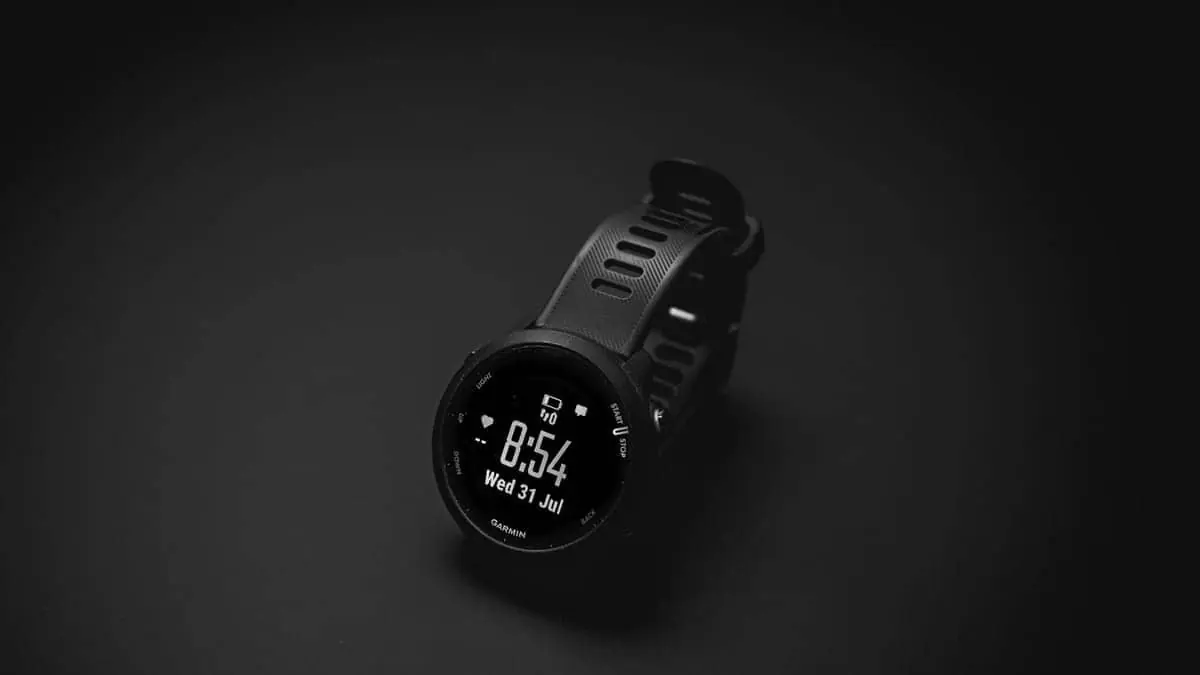
Garmin Forerunner 165 costs $249.99 at launch with a 1.2-inch AMOLED display, GPS and wrist heart rate. What you get, what you give up, and who it suits.
Check the legacy BowFlex 552 and 1090 recall before use or a used purchase. Understand model identity, the official remedy and the limits of a desk review.